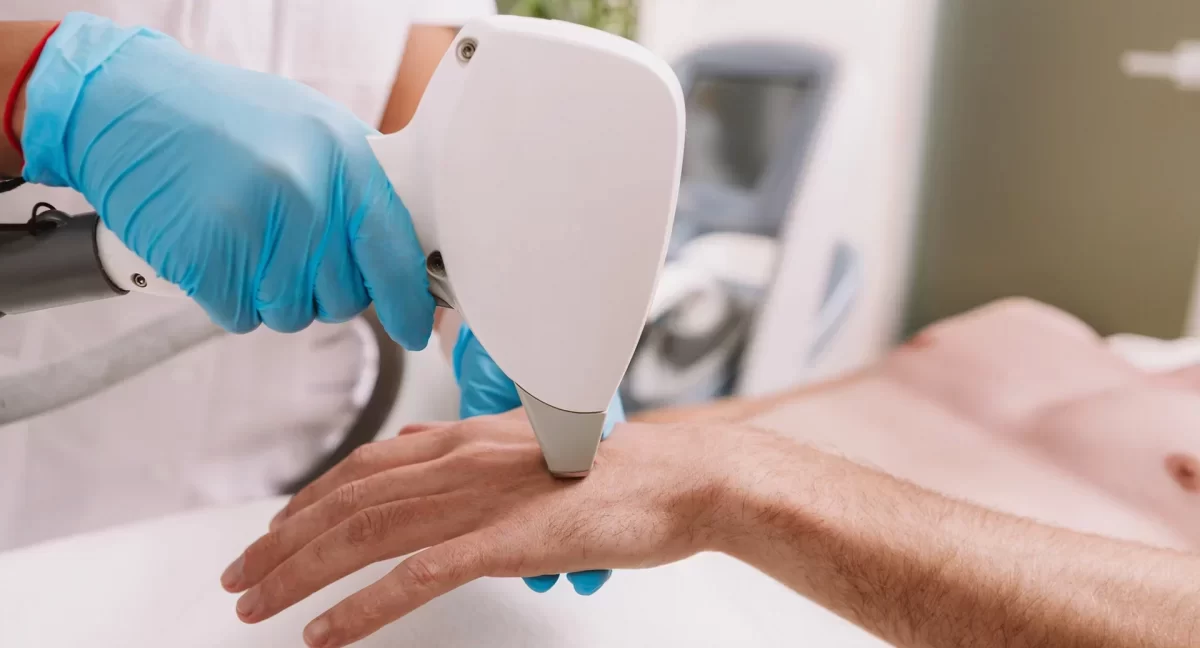
Laser hair removal is one of the most popular cosmetic treatments in the country. With thousands of these procedures being administered each month, it’s important for medical spas and aesthetic centers to maintain safety and quality. There is no single entity that governs laser technicians across the United States, but most states have their own laws regarding the procedure.
So what are the different standards and training requirements for laser hair removal technicians? Requirements vary from state to state, with some requiring you to undergo a certification exam. Undergoing a training course can help you prepare for these state-regulated examinations. Make sure you choose courses from credible and qualified institutions.
Licensing Requirements for Laser Hair Technicians
Besides the Food and Drug Administration (FDA)’s regulations on equipment, no federal laws exist to regulate laser technicians and their training. Instead, most states have their own certification requirements. You’ll have to meet a training quota to be considered a candidate for state certification.
Training Requirements
Some states have more relaxed laws, with only the usual business ethics policies covering laser technicians. However, some states have mandatory training requirements for technicians to legally administer operations. For instance, Arizona requires technicians to undergo 40 hours of lectures on laser science, health and safety protocols, and patient care.
The state also mandates 24 cumulative hours of supervised hands-on laser therapy, plus another 24 hours of demonstrations for IPL and other laser therapies. Besides this, all creditable training hours should be done in a state-approved center.
Since the 2010s, more states have followed Arizona’s stricter requirements. Texas also has mandatory training hours as a requirement, based on the Texas Laser Hair Removal Statute. All laser hair removal technicians should have undergone 40 hours of state-approved training and performed 100 supervised laser procedures.
The components of laser training programs vary per state, but the following are the most common topics:
- Anatomy basics
- Laser equipment manipulation
- Laser science
- Machine maintenance
- Laser safety and aftercare
Before enrolling in a training program, you should check if the center is state-accredited. To be accredited, the training center should only have licensed specialists as instructors. Some courses are also considered continuing medical education, although corresponding hours vary per course. You can also ask about the transferability of the course credit to other states.
Certifications and Licenses
There are other states that place bigger responsibility on the establishment. In New York, the laser center should obtain a license to operate. No policies explicitly refer to licensing technicians, but establishments should ensure that all laser-operating staff has adequate training. The Division of Licensing Services also states that they don’t govern any appearance-enhancing services in the state.
In other places, laser hair removal treatments fall under the umbrella of medicine. This means that only healthcare providers-such as nurses, physician’s assistants, and doctors-can perform any laser hair removal treatments. In Ohio, even nurses and assistants should be routinely evaluated by a supervising physician.
Some medical professionals set up medical spas, or aesthetic centers that only have healthcare personnel as part of their team. These are subject to the same laws as small-time clinics and hospitals.
Educational and Professional Background
Many states require a license, but applications may also be limited based on educational and professional experience. In all states, technicians should at least have a high school diploma or a general equivalency diploma (GED). State-accredited training centers will require proof of these before allowing an individual to enroll in one of their programs.
The Medical Board of California oversees all cosmetic laser treatments, as well as cosmetic injectables. Any of these operations are considered medical, and only doctors are allowed to administer them. However, nurses or assistants can directly manipulate equipment with the supervision of a physician.
In states where a health-related degree isn’t required, you’ll still have to undergo courses about laser technologies. These courses should come with a certificate. The certificate and accompanying records will prove that you’ve finished all required topics and demonstrated the necessary skills to administer laser treatments.
Some colleges and universities offer associate degrees in more advanced laser-related fields. If you’re an aesthetician interested in the more technical side of things, you can look into programs for optics or laser technology. Medical personnel who delve into these programs can work for companies that produce high-level laser tools.