Plastic surgery isn’t the only way to make tweaks and improvements to the face to achieve a youthful appearance. With the advancements in aesthetic medicine, many practitioners can now offer non-surgical procedures to help patients minimize the signs of aging on their skin. If you’re planning to offer aesthetic treatments in your practice, it’s essential to have basic knowledge and training about the different kinds of procedures.
So what should you know about facial aesthetics training? With an introductory course to facial aesthetics, you can expect to learn about facial anatomy so you can safely administer the treatment and lessen the risk of serious side effects. You’ll also learn about the most popular facial treatments and know the skill and advanced techniques you’d need in your aesthetic practice.
A Beginner’s Guide to Facial Aesthetics
Aging and sun exposure can all contribute to the appearance of pesky wrinkles, fine lines, and pigmentation issues. Loss of collagen can also lead to more prominent sagging skin and cause the face to lose its firmness and plumpness. Fortunately, the practice of facial aesthetics can solve most of these skin problems and help patients restore their natural beauty.
What’s the Purpose of Aesthetic Medicine and Training?
In an introductory course to facial aesthetics, you’d learn that it’s a broad term that refers to different non-surgical and minimally invasive treatments that can enhance the face. It includes a wide variety of procedures including neurotoxins, dermal filler injectables, peels, thread lifts, laser treatments, and microneedling.
Although aesthetic medicine is a relatively new trend, its popularity has increased rapidly due to the high demand of patients to improve their facial features and hide the consequences of the aging process. In a globalreport, it’s estimated that the market for aesthetic medicine will grow at a rate of 9.6% and reach about USD 145.7 billion by 2030.
To keep up with the increasing demand for facial aesthetic treatments, med spas and cosmetic clinics need to train in the best practices so they can offer exceptional services to their patients. Nowadays, there are many workshops and online video courses about the basics of facial aesthetics.
Why It’s Important to Understand the Facial Anatomy for Aesthetic Treatments
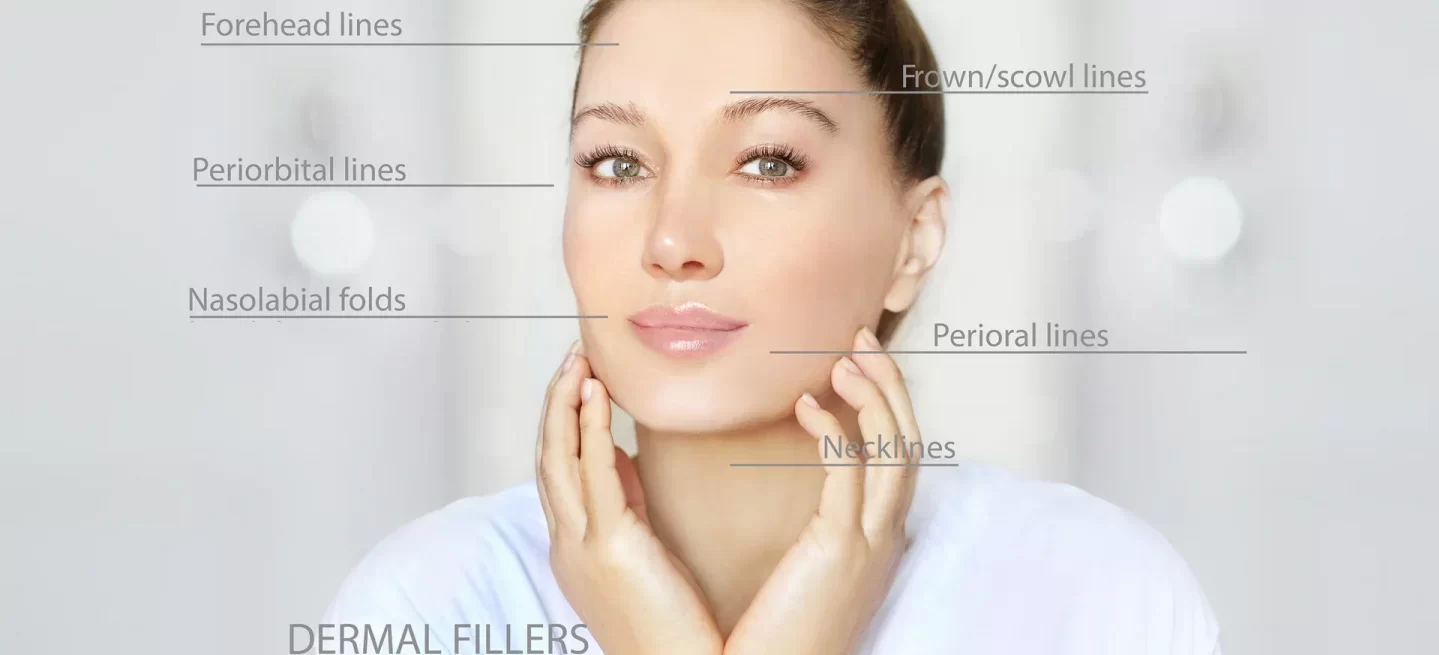
One of the necessary topics in a facial aesthetic training course is the study of facial anatomy. Aside from having a good injection technique, a big part of safe and successful aesthetic treatments is knowing the facial structure of your patient. This is especially important to know if you are planning to offer Botox and dermal filler injections in your aesthetic practice.
When injecting Botox or fillers, it’s important to preserve as much of the natural facial expressions and movements of the patients. Having an understanding of the facial anatomy can help determine which specific muscles should be injected without affecting the surrounding muscles and nerves and risking a possible complication. Additionally, it can help you provide more natural-looking results for your patient.
Who Can Perform Facial Aesthetic Procedures?
Anyone with extensive training and background in medical aesthetics can administer facial aesthetic treatments. This practice isn’t limited to dermatologists and plastic surgeons and can be done by other aesthetic and medical practitioners such as:
- Registered Nurse Practitioner: Registered nurses are part of an aesthetic staff and they usually assist in performing cosmetic procedures. They can also become licensed injectors if they receive certification in Botox or dermal filler training.
- Physician Assistant: There are several states that allow physician assistants to administer injections but only under the supervision of a certified medical doctor. Check the rules of your state if it allows PAs to provide injections and enroll them in a specialized dermal filler or Botox training course.
- Licensed Healthcare Professionals or Medical Doctors: As long as you have undergone certification training for Botox and dermal fillers, you can perform injections regardless of your medical specialization.
5 Common Facial Aesthetic Treatments
There are several types of facial rejuvenation procedures but here are some of the most common procedures that have been in demand over the past years:
1) Botulinum Toxin Injections
According to areport, Botox injections are one of the top performed procedures, with over 5 million treatments done worldwide in 2020. As a cosmetic injection, Botox works by freezing or relaxing the facial muscles which smooths out the visible facial wrinkles and fine lines. It’s important to have advanced Botox training so you know the ideal injection sites for each type of skin concern.
At FACE Med Store, we offerFacial Neuromodulator Injections Course that covers the different injection techniques, dilution protocols, pharmacology, and management of complications. This is a simple training course that is suitable for nurse practitioners, aesthetic physicians, and physician assistants.